The Allure of Metallics in Design
In contemporary interior design, the incorporation of metallics has become increasingly popular, with gold and silver being at the forefront of this trend. These lustrous elements not only provide elegance and sophistication but also enhance the aesthetic appeal of any space. Their versatility allows them to be integrated into various design styles, from traditional to modern, making them a staple in achieving a refined look.
Gold and silver possess unique qualities that evoke emotions and contribute to the ambiance of a room. Gold, with its warm tones, radiates a sense of luxury, inviting warmth and comfort. It can be used sparingly in fixtures, such as lamps or decor pieces, to create focal points that draw attention. On the other hand, silver, with its cool and reflective surfaces, introduces a contemporary touch, adding a layer of sophistication and depth. Together, these metals can complement each other beautifully, striking a balance that enhances the overall design without overwhelming the space.
The enduring popularity of metallics can also be attributed to their ability to transform a simple room into a more dynamic and visually striking environment. Metallic finishes can be applied to furniture, walls, and accessories, highlighting architectural features or creating visual interest through contrast. Moreover, they can reflect light in fascinating ways, contributing to a brighter, more open atmosphere. This reflective quality makes them ideal for smaller spaces, where the illusion of expanded dimensions is desirable.
Incorporating gold and silver into interior designs allows for endless creativity, as they can be mixed and matched with colors, textures, and patterns. This creative interplay can elevate the overall design, making spaces feel more curated and intentional. The allure of metallics transcends mere decoration; it breathes life into interiors, creating environments that are both captivating and inviting.
Understanding Gold and Silver: Characteristics and Effects
In the realm of interior design, the nuanced characteristics of gold and silver play a pivotal role in shaping the ambiance of a space. Gold is renowned for its warm tones, which impart a sense of luxury and opulence. This metal is often associated with richness and elegance, making it a popular choice for highlighting architectural features or decorative elements within a room. Its reflective properties enable gold surfaces to capture and enhance natural light, creating a radiant glow that can elevate the overall aesthetic.
On the contrary, silver brings a cool elegance that contrasts beautifully with the warmth of gold. Silver’s sleek, polished surface contributes a modern and refined touch, often lending itself well to minimalist design ideals. This metal reflects light in a distinct manner, offering a subtle shimmer that can subtly enhance the beauty of surrounding colors while adding depth to a space.
When mixed thoughtfully, the warm glimmer of gold and the cool shine of silver can create a harmonious equilibrium in interior design. For instance, while gold can stimulate a feeling of comfort, silver can provide a sense of calmness, working together to balance emotional responses within the space. Understanding these effects is crucial for designers and homeowners alike, as they can manipulate the properties of gold and silver to achieve desired atmospheres, whether that be intimacy, elegance, or tranquility.
The interplay of these metals also affects how colors are perceived within a room. Gold tends to accentuate warmer hues and can make them appear more vibrant, while silver complements cooler tones and can lend a crispness to the color palette. This dynamic interplay illustrates the significance of carefully selecting and mixing metals in interior design to enhance both the visual and emotional impact of a setting.
Techniques for Mixing Gold and Silver in Your Decor
Mixing gold and silver in interior design can create a sophisticated and elegant aesthetic. To achieve the best results, consider a few practical techniques that will help you blend these two metals harmoniously throughout your space.
One effective approach is to establish a dominant metal. Choose either gold or silver to serve as the primary accent in the room, which will create a sense of cohesion. For instance, if you select gold as your base, incorporate it in larger furnishings, such as a coffee table or light fixtures, while adding silver accents through smaller items like picture frames or decorative trays. This technique ensures a balanced visual flow without overwhelming the space.
Another important factor is the use of color palettes. When combining gold and silver, it is essential to integrate colors that complement both metals. Neutral hues, including whites, grays, and beige, can serve as a perfect backdrop, enhancing the impact of gold and silver without clashing. Using pops of color in decorative accessories can also create contrast, adding interest and dynamism to the decor.
Layering textures is another effective technique for mixing these elegant metals. Consider placing a silver decorative object on a gold-finished surface, such as a golden table or a mirror. The interplay of different textures not only enhances visual depth but also emphasizes the unique qualities of each metal. Furthermore, incorporating a mix of materials, such as glass, wood, and fabric, can amplify the overall design while maintaining a sense of balance.
Finally, consider the scale of your elements when mixing gold and silver. Ensure that the size of your furnishings and accessories is proportionate to maintain a harmonious look. By carefully combining these thoughtful techniques, you can elegantly blend gold and silver in your decor, creating a truly timeless aesthetic.
Case Studies: Stunning Examples of Mixed Metals in Design
In the world of interior design, mixing metals can transform a space from ordinary to extraordinary. Below, we delve into select case studies that exemplify the successful integration of gold and silver in home interiors. Each example serves to highlight design choices, the overall aesthetic impact, and practical lessons applicable to the reader’s own spaces.
The first case study features a contemporary living room adorned with elegant furniture that juxtaposes gold accents with silver hardware. The designer utilized a lavish gold frame on the mirror above the fireplace, paired with sleek silver lamp stands on either side. This combination creates a striking visual contrast that draws the eye, enhancing the focal point of the room while maintaining a balanced and cohesive appearance.
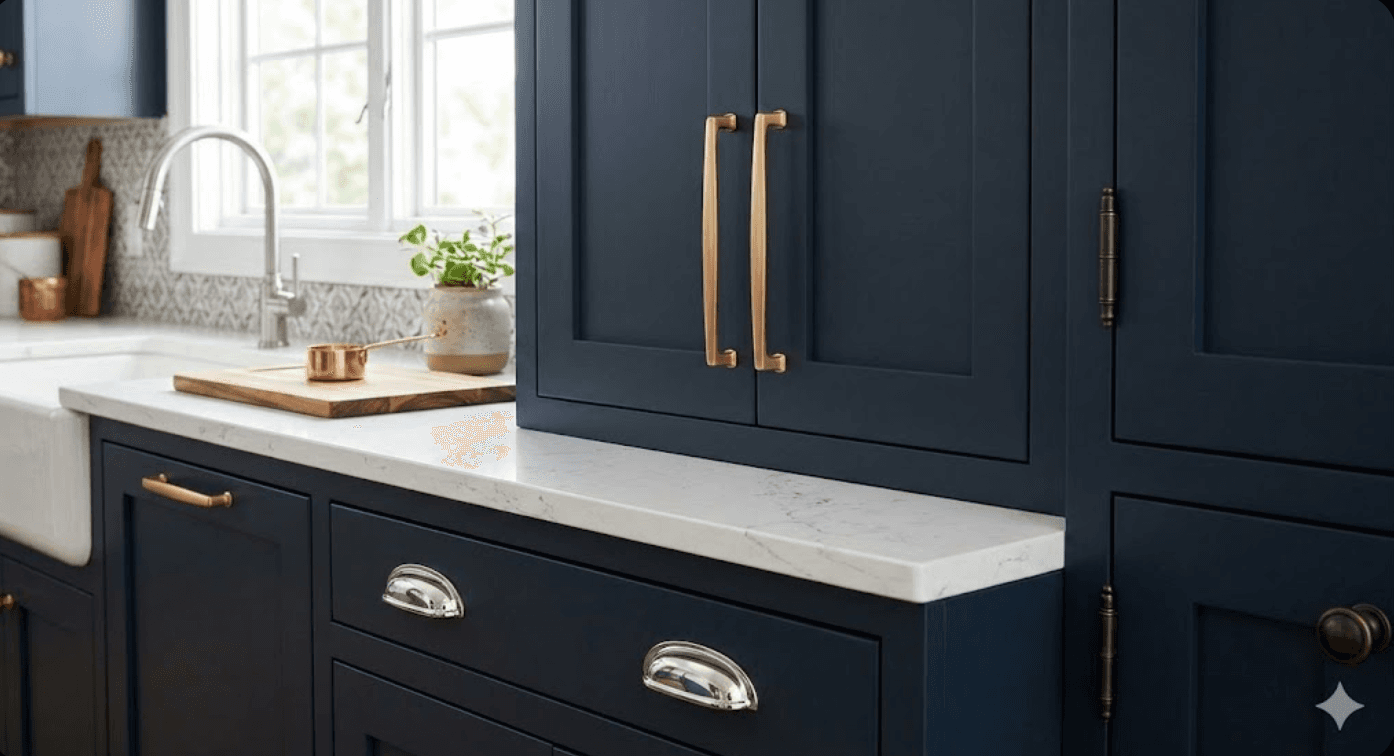
In another notable example, a modern kitchen showcases brushed gold cabinet handles alongside stainless steel appliances. The warmth of the gold complements the coolness of the silver, resulting in a harmonious blend that makes the space feel both inviting and sophisticated. The careful choice of metallics not only enhances functionality but also elevates the kitchen to a stylish culinary haven.
Lastly, a master bedroom illustrates the versatility of mixed metals through decorative elements. Here, soft gold light fixtures work seamlessly with silver-framed artwork and a chrome bed frame. This interplay creates a serene yet luxurious atmosphere, making the room the perfect retreat. The designer’s thoughtful pairing not only accentuates individual pieces but also brings a sense of unity to the space.
These case studies exemplify how the strategic combination of gold and silver can create stunning interiors. Readers can draw inspiration from these successful designs, applying similar principles in their own homes to achieve elegance and sophistication through mixed metals.