Smart Appliances: The Technological Revolution in Cooking
In recent years, the emergence of smart appliances has marked a significant transformation in kitchen technology, redefining how we prepare and enjoy food. By 2026, having smart appliances in your kitchen has become not just a trend but a necessity for anyone looking to enhance their cooking experience. These appliances are designed to offer unmatched convenience, energy efficiency, and connectivity through various apps.
One of the flagship innovations in the realm of smart appliances is the smart oven. Equipped with features such as touchscreens, integrated cameras, and automated settings, these ovens allow users to control cooking times and temperatures remotely. With voice activation capabilities linked to virtual assistants, cooking has never been easier. Users can preheat their ovens while grocery shopping or adjust cooking times on the go, ensuring culinary perfection with minimal effort.
Additionally, the evolution of refrigerators into intelligent storage solutions has revolutionized food preservation and inventory management. Modern refrigerators now incorporate artificial intelligence to monitor food freshness and send alerts for items nearing their expiration dates. These appliances can suggest new recipes by analyzing the contents of your fridge, thereby minimizing food waste and enhancing meal planning.
Another key player in the smart appliance category is the connected dishwasher. These dishwashers feature sensors that detect load size and soil levels, automatically adjusting wash cycles for maximum efficiency. Remote monitoring capabilities allow users to check cycle progress from their smartphones, making it easier to manage kitchen tasks concurrently. By integrating these intelligent solutions into your kitchen, you not only save time but also reduce energy consumption, benefiting both your lifestyle and the environment.
Sustainable Kitchen Hardware: Eco-Friendly Choices for a Greener Future
As the focus on sustainability grows, so does the importance of incorporating eco-friendly kitchen hardware into modern home design. Homeowners in 2026 are increasingly aware of the impact their choices have on the environment. By selecting energy-efficient appliances, sustainable materials for countertops and cabinetry, and water-saving fixtures, individuals can significantly reduce their carbon footprints while enhancing the functionality of their kitchens.
Energy-efficient appliances have become a staple in environmentally conscious households. These devices are designed to consume less energy while maintaining optimal performance. The introduction of smart technology in kitchen appliances further supports this trend, allowing homeowners to monitor and manage their energy consumption effectively. In 2026, expect innovations that leverage artificial intelligence to optimize energy use, which can lead to substantial savings on utility bills and reduce greenhouse gas emissions.
When it comes to countertops and cabinetry, sustainable materials such as bamboo, recycled glass, and reclaimed wood are gaining popularity. These options not only add aesthetic value but also contribute to less deforestation and waste. Selecting these materials is not just a design choice, it reflects a commitment to sustainability and a responsible approach to home improvement.
Water-saving fixtures have also become essential in the modern kitchen. Low-flow faucets and smart irrigation systems are vital for reducing water usage without sacrificing performance. Homeowners can promote conservation efforts simply by upgrading to these fixtures, which show significant reductions in water consumption over time.
Incorporating sustainable kitchen hardware reflects a growing trend towards environmentally responsible living. By making informed choices, homeowners can create not only beautiful kitchens but also spaces that actively contribute to a greener future. This approach to kitchen design is beneficial not only for the planet but also for the vitality of communities and future generations.
Enhanced Ergonomics: Designing for Comfort and Efficiency
In today’s fast-paced lifestyle, the need for ergonomic design in kitchen hardware has never been more crucial. An ergonomic kitchen enhances comfort while cooking, thereby increasing efficiency and reducing physical strain. The layout, design, and accessibility of kitchen equipment directly impact the user’s experience in the kitchen. One of the essential aspects of implementing ergonomic principles is to ensure that work surfaces are at comfortable heights. This reduces the need to bend over or stretch excessively, which can lead to strain over time.
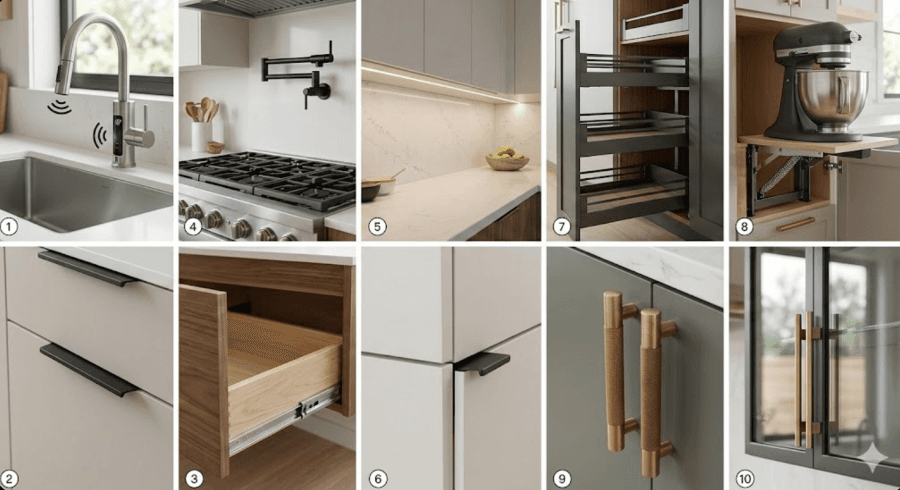
Furthermore, incorporating easy-access storage solutions is critical for fostering an efficient kitchen environment. Pull-out shelves, for instance, allow for effortless access to pans and cookware stored in deep cabinets, minimizing the need for awkward reaching that can lead to discomfort. Additionally, designing adjustable kitchen islands can accommodate users of varying heights, allowing everyone to work comfortably whether they are chopping vegetables or preparing larger meals.
Comfortable seating options also play a vital role in an ergonomic kitchen. Stools with proper back support or adjustable-height chairs at a kitchen island provide not only relaxation but also promote better posture. While preparing meals or engaging in conversations, having the right seating can significantly contribute to a positive kitchen experience.
Intuitive layouts further reinforce the significance of ergonomic considerations. By strategically placing frequently used utensils and appliances within easy reach, cooks can streamline their workflow, minimizing unnecessary movements. For the kitchen of 2026, ergonomic design will not merely be a luxury but a necessity that aligns functionality with comfort, transforming the way people interact with their kitchen space.
Customization and Modularity: Creating Your Perfect Kitchen Space
In the evolving landscape of kitchen design, customization and modularity stand out as essential elements for homeowners seeking to create their ideal cooking environments. Today’s homeowners prioritize flexibility and personal expression in their kitchens. As such, modular cabinetry systems have gained prominence, allowing individuals to select components that align with their specific needs and preferences. These systems adapt seamlessly to various kitchen layouts and provide the opportunity to mix and match styles, finishes, and functionalities.
Interchangeable storage solutions further enhance this customization ethos. By incorporating adjustable shelving, pull-out drawers, and expandable racks, homeowners can organize their kitchens according to their culinary habits and storage requirements. This level of personalization not only optimizes space but also ensures that everything has a designated place, facilitating smoother cooking experiences. Furthermore, the ability to modify storage options means that the kitchen can grow and evolve alongside its user’s needs.
Lighting is another critical factor in achieving a customized kitchen atmosphere. Modern lighting fixtures come in various designs and can often be tailored to fit the aesthetic of any kitchen. Smart lighting solutions are particularly appealing, allowing users to control brightness and color via smartphone apps, creating the perfect ambiance whether you’re hosting a dinner party or enjoying a quiet meal. By integrating customizable lighting, homeowners can enhance both functionality and aesthetic appeal, making their kitchens both inviting and efficient.
Ultimately, the trend towards customization and modularity reflects a shift towards creating spaces that are not only functional but also uniquely personal. As homeowners invest in their dream kitchens in 2026, the options for personalization through modular designs and flexible solutions will continue to influence kitchen hardware decisions, allowing for a truly unique culinary experience.