Understanding Bathroom Hardware: Types and Functions
Bathroom hardware plays a significant role in both the functionality and aesthetics of a bathroom. Among the various types of bathroom hardware, faucets, showerheads, towel bars, and cabinet handles are the key components that enhance usability and style. Understanding these types is crucial when selecting the right hardware for your needs.
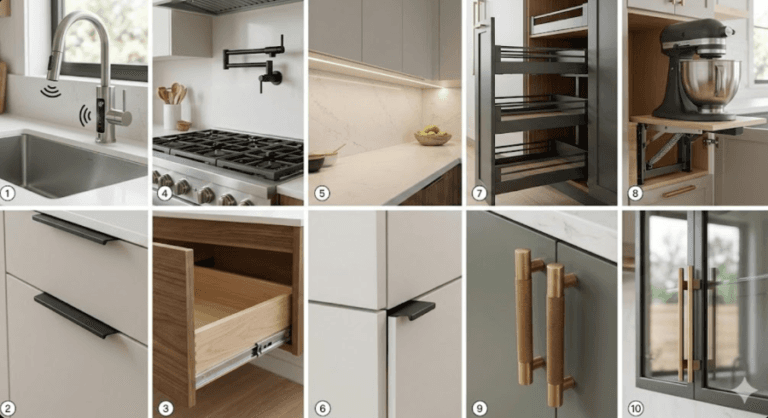
Faucets are one of the most essential bathroom fixtures, serving the primary function of regulating water flow. Available in a range of styles, from traditional to contemporary, their design can dramatically affect the look of your sink. When choosing a faucet, consider factors such as height and spout reach to ensure compatibility with your sink and personal ergonomics.
Showerheads, another vital element, can significantly influence your bathing experience. Showerheads come in various styles, including rain, handheld, and multi-function options. Each type offers distinct benefits and can enhance both your comfort and water efficiency. For example, a rain showerhead provides a luxurious feel, while a handheld showerhead offers versatility and convenience, particularly in family bathrooms.
Towel bars are functional yet often overlooked components of bathroom hardware. They not only provide a place to hang towels but also contribute to the overall decor. Available in various lengths, finishes, and styles, towel bars should complement other hardware elements to create a cohesive look. Wall-mounted or free-standing options are available depending on the space and personal preference.
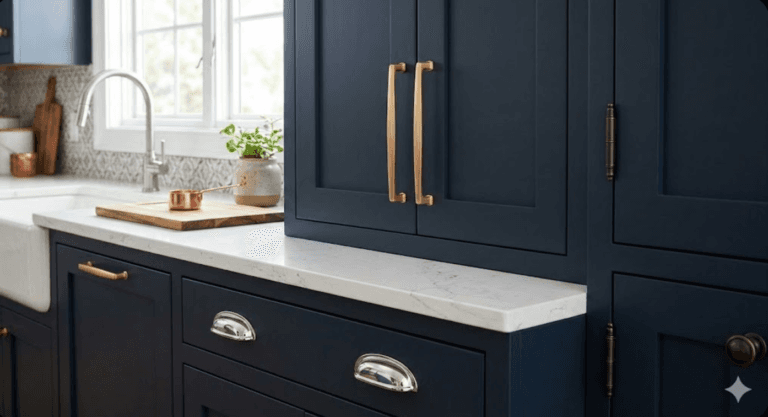
Lastly, cabinet handles are essential for cabinetry functionality and style. The hardware selected for cabinets can reflect the overall design aesthetic—whether modern, rustic, or transitional. Selecting handles that harmonize with other fixtures ensures a unified look in the bathroom space.
Assessing Your Needs: Factors to Consider
When selecting bathroom hardware, it is essential to assess various factors that will influence both the aesthetic and functional aspects of your space. To begin with, consideration of the overall design of your bathroom is crucial. The hardware should complement the existing decor style, whether it be contemporary, traditional, or minimalist. A cohesive design enhances the overall appearance and creates a seamless transition between different elements of the bathroom.
Budget constraints are another significant factor in the hardware selection process. It is important to establish a clear budget early on, which will guide your choices and ensure that you remain within your financial limits. Quality bathroom hardware can vary widely in price, so understanding what you can afford while also prioritizing durability and longevity is critical.
Additionally, material preferences play a pivotal role in selecting bathroom hardware. Different materials such as stainless steel, brass, or plastic offer diverse aesthetic and practical benefits. Stainless steel, for example, is known for its corrosion resistance and durability, making it an excellent choice for bathroom environments. Brass, on the other hand, provides a classic appeal and can be effectively used to create a vintage aesthetic. Understanding the advantages and disadvantages of these materials can help you make an informed decision.
Space considerations are also vital when choosing your bathroom hardware. The size of the bathroom and layout can dictate the scale and type of hardware that will be most functional. For instance, in smaller bathrooms, opting for compact and space-saving fixtures will ensure efficient usage of available space without sacrificing style.
Lastly, maintenance should not be overlooked. Selecting hardware that is easy to clean and maintain will save time and effort in the long run. Choosing quality materials and finishes can reduce wear and tear, ensuring that the bathroom remains both beautiful and functional for years to come.
Installation Guide: Step-by-Step Instructions
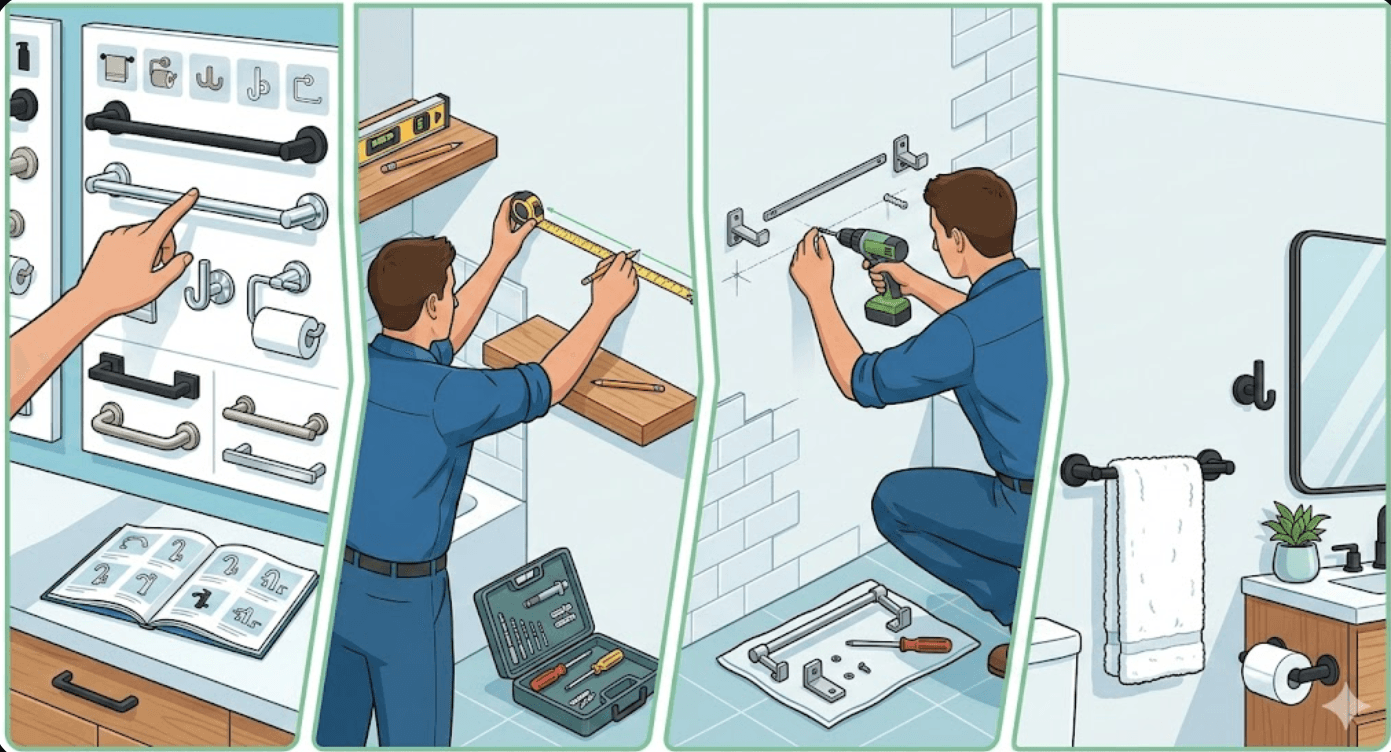
When it comes to enhancing your bathroom with new hardware, proper installation is crucial for both functionality and aesthetics. Follow this step-by-step guide to ensure effective installation of various types of bathroom hardware, whether you choose to undertake the project yourself or hire a professional.
First, gather the essential tools required for installation. Commonly needed tools include a drill, screwdrivers (both flathead and Phillips), a level, measuring tape, and a stud finder. For certain fixtures, you might also need anchors or additional mounting hardware. Make sure to also have safety gear on hand, such as goggles and gloves, to protect yourself during the installation process.
Begin by carefully selecting the location for your hardware. It’s important to consider the functionality and aesthetics of your bathroom. For towel bars, aim to install them at a height that is accessible yet unobtrusive. Use a level to mark where the bottom of the hardware will be positioned. For wall-mounted items, find and mark the studs in the wall to secure the installation properly and prevent damage.
Next, pre-drill holes for screws where required, ensuring proper alignment. Adhere to the manufacturer’s instructions for precise measurements and placements. Once the holes are drilled, position the hardware and affix it using screws. If required, use wall anchors for additional support, particularly in drywall installations.
Lastly, conduct a thorough inspection to ensure everything is securely attached and aligned correctly. Test the functionality of the hardware, making adjustments as necessary. Taking these careful measures during your bathroom hardware installation will lead to a successful and safe enhancement of your space, whether you are a DIY enthusiast or opting for professional assistance.
Maintaining Your Bathroom Hardware: Tips and Tricks
Proper maintenance of bathroom hardware is essential to ensure both functionality and aesthetic appeal. Different materials used in bathroom fixtures require tailored cleaning and care methods to avoid damage and prolong lifespan. For instance, chrome and polished nickel are prone to water spots and fingerprint smudges, hence regular cleaning with a soft cloth and mild soap is recommended. Avoid abrasive cleaners that may scratch the surface and diminish the shine.
For materials such as brushed nickel or matte finishes, a damp microfiber cloth is usually sufficient. These finishes can hide smudges and fingerprints better, but wiping them down regularly will help maintain their appearance. A mineral oil treatment can also be beneficial, as it creates a protective barrier against moisture and enhances the look of the hardware.
In addition, it is important to monitor for common issues such as loosening screws, rust formation, or corrosion on metal fixtures. Inspecting hinges, handles, and knobs periodically will allow you to address any problems before they escalate. If rust is detected, a gentle scrub with fine steel wool followed by a protective coating can prevent further degradation.
Furthermore, incorporating a maintenance schedule can be significantly advantageous. Regular checks every few months can help you stay ahead of potential issues, ensuring your bathroom hardware remains functional and visually appealing. During these inspections, tightening screws, checking for leaks around faucets, and ensuring that surfaces are clean will collectively preserve your bathroom’s functionality.
In conclusion, maintaining bathroom hardware involves simple yet consistent efforts. By following these tips, one can ensure that bathroom fixtures not only look good but also function optimally for years to come.